The biggest dental myths that could not be more wrong
What are the common myths in dentistry?
There are plenty of misconceptions in dentistry. Here are some of the most common myths that dentists and patients alike should know about.
Myth: All toothpastes contain fluoride.
Truth: They do not. Many “natural” or herbal toothpastes contain no fluoride, and fluoride is the ingredient that does most to prevent decay because it strengthens enamel. Check the label and choose a fluoride toothpaste; for children, ask your dentist which amount and strength suit their age.
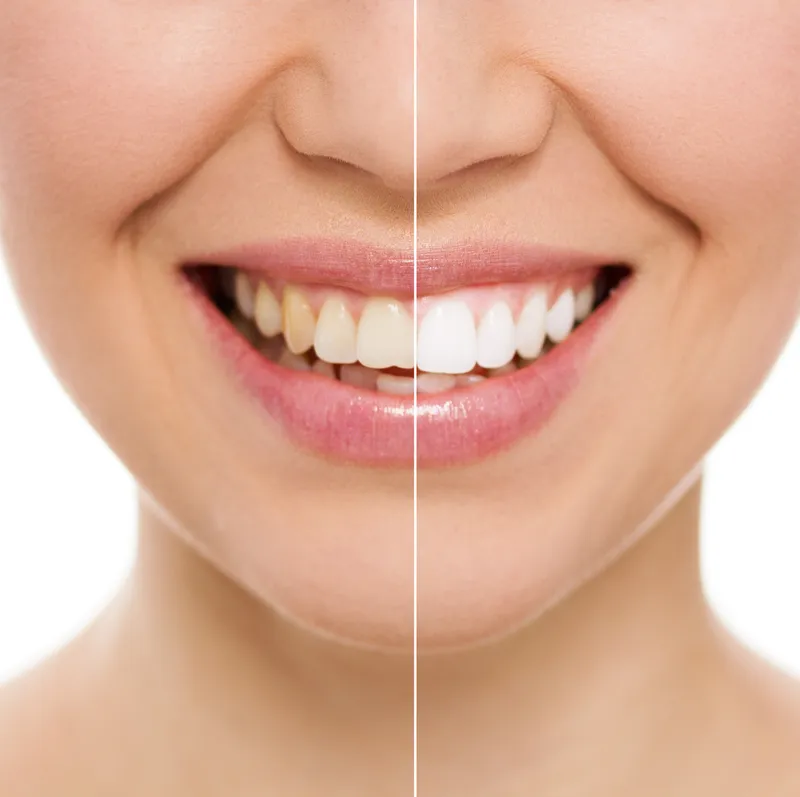
Myth: Teeth whitening is necessary for good oral hygiene.
Truth: Whitening is a cosmetic treatment: it lightens the colour of your teeth but does not clean or protect them. The result also fades over time, especially with coffee, tea or smoking. What keeps your mouth healthy is brushing twice a day with a fluoride toothpaste, cleaning between your teeth and going for regular check-ups.
What are some of the most common dental myths?
There is a lot of uncertainty about how to prevent dental problems. Some myths do direct harm, such as the idea that brushing harder cleans better: in fact it wears enamel away and can make your gums recede, so a soft brush and gentle pressure are the better choice. Others give a false sense of security, such as believing that a fluoride-free “natural” toothpaste protects against decay just as well.
How do these myths lead to oral health problems?
There are many myths people believe about their oral health, and those myths can lead to real problems.
Many of these myths end up as bad habits: brushing only once a day, skipping cleaning between the teeth, or only seeing the dentist when something hurts. The problem comes from believing them, because those habits, kept up over time, lead to poorer oral health.
If you want to avoid these oral health problems, it is important to understand what they are.
Why do people believe these myths?
Some of the most common myths about teeth come from all directions. You may hear some of them from your own family and friends, who trust them. That is why they are easy to believe.
These myths have been around a long time and have been perpetuated over the years. Some may contain a grain of truth, but there are many other factors involved in dental health.
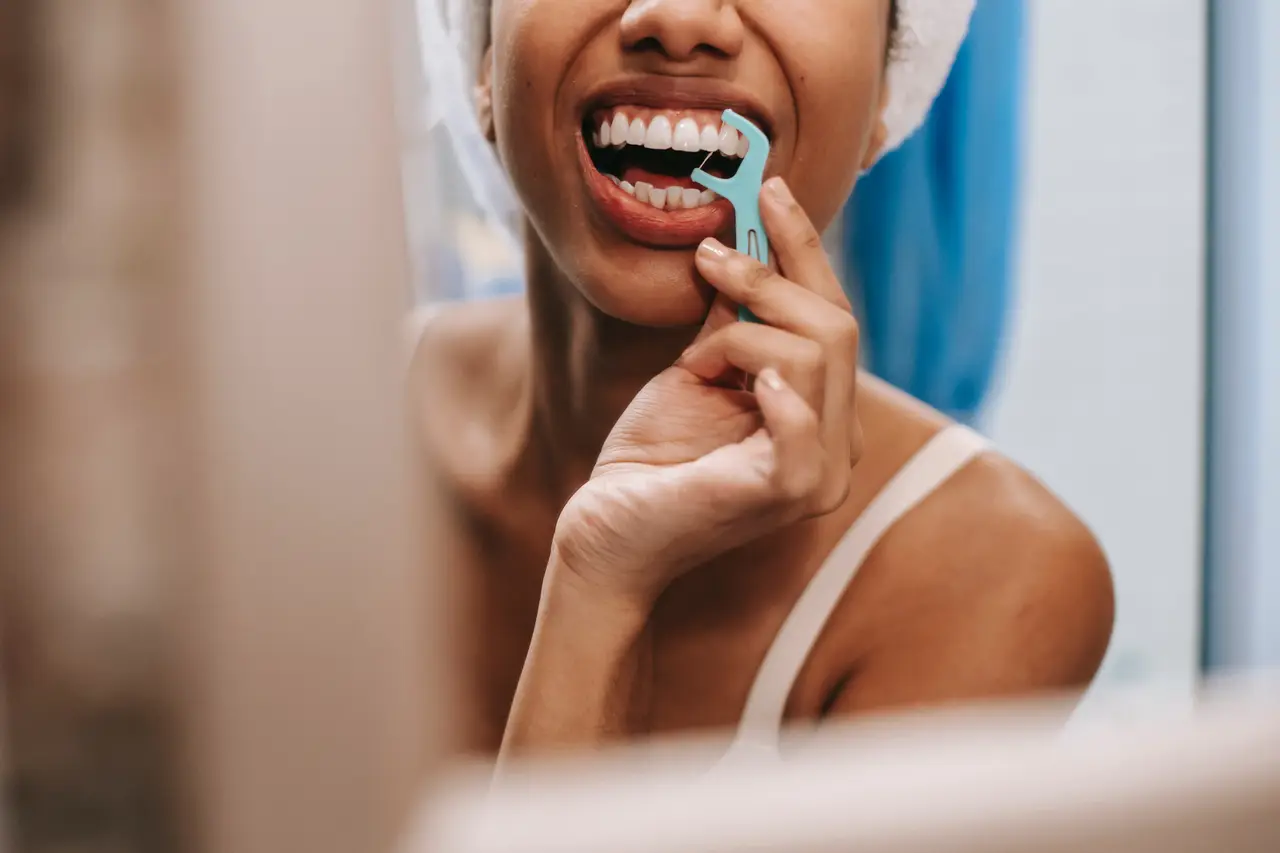
There are many ways to prevent decay: watching your diet and flossing regularly both help.
How can people avoid these myths?
We know there are many myths people believe about the mouth, teeth and oral hygiene. Some are common everywhere, while others are specific to certain regions or cultures.
That is because many of us do not know where these myths come from or what they actually mean. To avoid any confusion, always ask your dentist for a proper diagnosis before assuming anything about your teeth or oral health.
What are the benefits of visiting a dentist regularly?
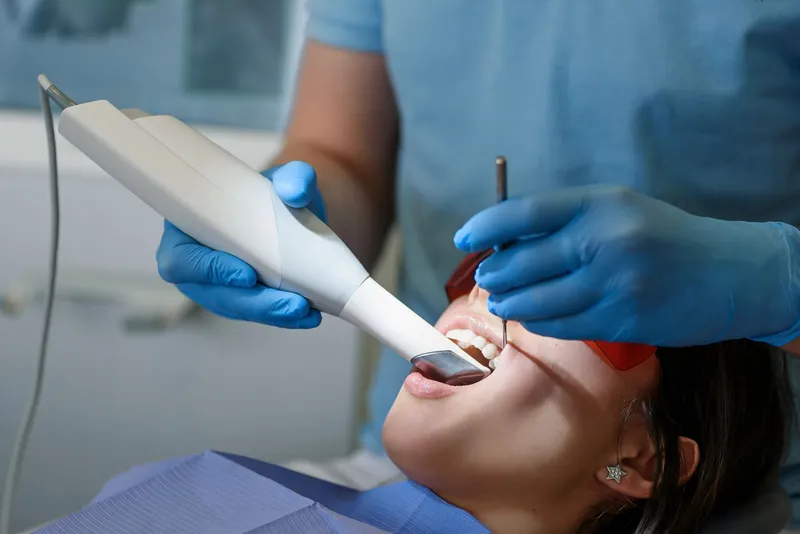
As mentioned above, the best way to steer clear of dental myths is to talk to your dental professional. There are also many benefits to visiting a dentist regularly. One of the most common myths is that brushing regularly is enough to maintain good oral health. In reality, brushing is not enough, and you should see your dentist at least once a year for a check-up.
Some of the other benefits include:
- Preventing gum disease and decay
- Preventing periodontal disease, which leads to tooth loss
- Identifying signs of oral cancer early
All of this helps ensure your oral health is in good shape and that you are not believing myths that could end up doing harm.
At Clínica Balaguer
The best way to avoid falling for myths is to ask a professional. At our clinic in Sa Pobla, the general dentistry team answers your questions right there in the chair, in English, German, Spanish or Catalan. Your first visit is free (X-rays are charged separately): book an appointment and leave with clear answers instead of assumptions.