Why and how should I look after my teeth?
Looking after your teeth pays off in a big way. The importance of your dental health is hard to overstate: it is the first step towards looking after your health in general. But among all the ways to care for your teeth, what is the best way to brush them?
Let’s look at how to care for your teeth properly.
When is the best time to brush your teeth?
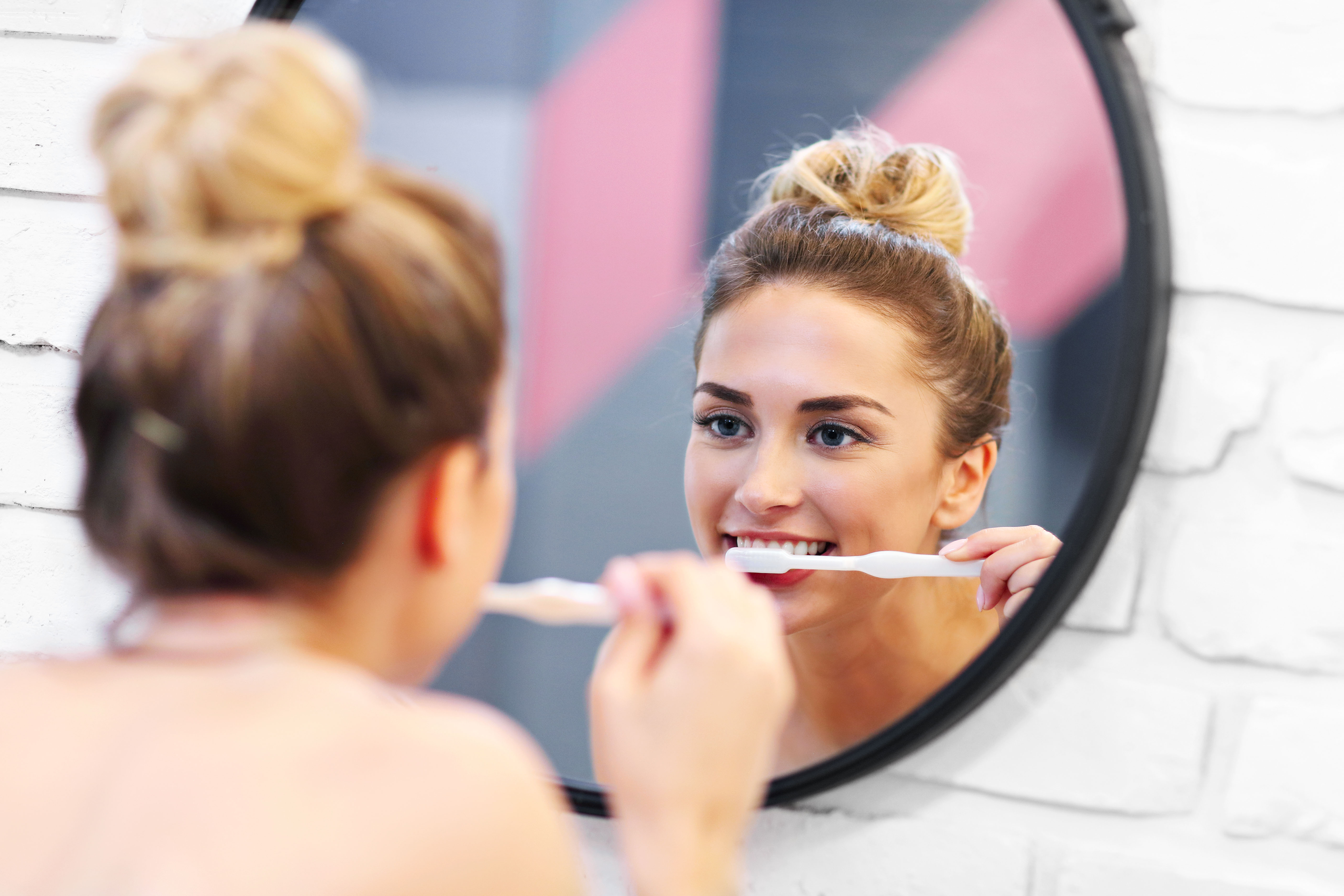
Brushing is one of the most important habits for keeping your oral health under control. It removes bacteria, food debris and more, and it is essential for healthy gums and teeth. The best moment to brush is before going to bed, because it clears away everything that has built up in your mouth during the day. That said, brushing after every meal is recommended.
The most common mistakes people make when brushing
People tend to make mistakes when brushing their teeth. Some are tempted to use too much toothpaste, and others end up with a dry mouth from brushing too aggressively. Adding floss and mouthwash to your routine helps you avoid many of these mistakes and improves your oral health and hygiene.
How often should you brush your teeth?
Dentists recommend brushing two or three times a day.
Brushing at least twice a day matters for your overall dental health and oral hygiene. You should also use an electric toothbrush, or at least do the equivalent with a manual one every day, to remove surface stains and bacteria from your teeth and gums.
One thing to keep in mind: brushing too much can damage the enamel layer of your teeth, which may lead to sensitivity or decay. So while brushing several times a day is recommended, be careful not to overdo it.
What are the best practices for brushing?
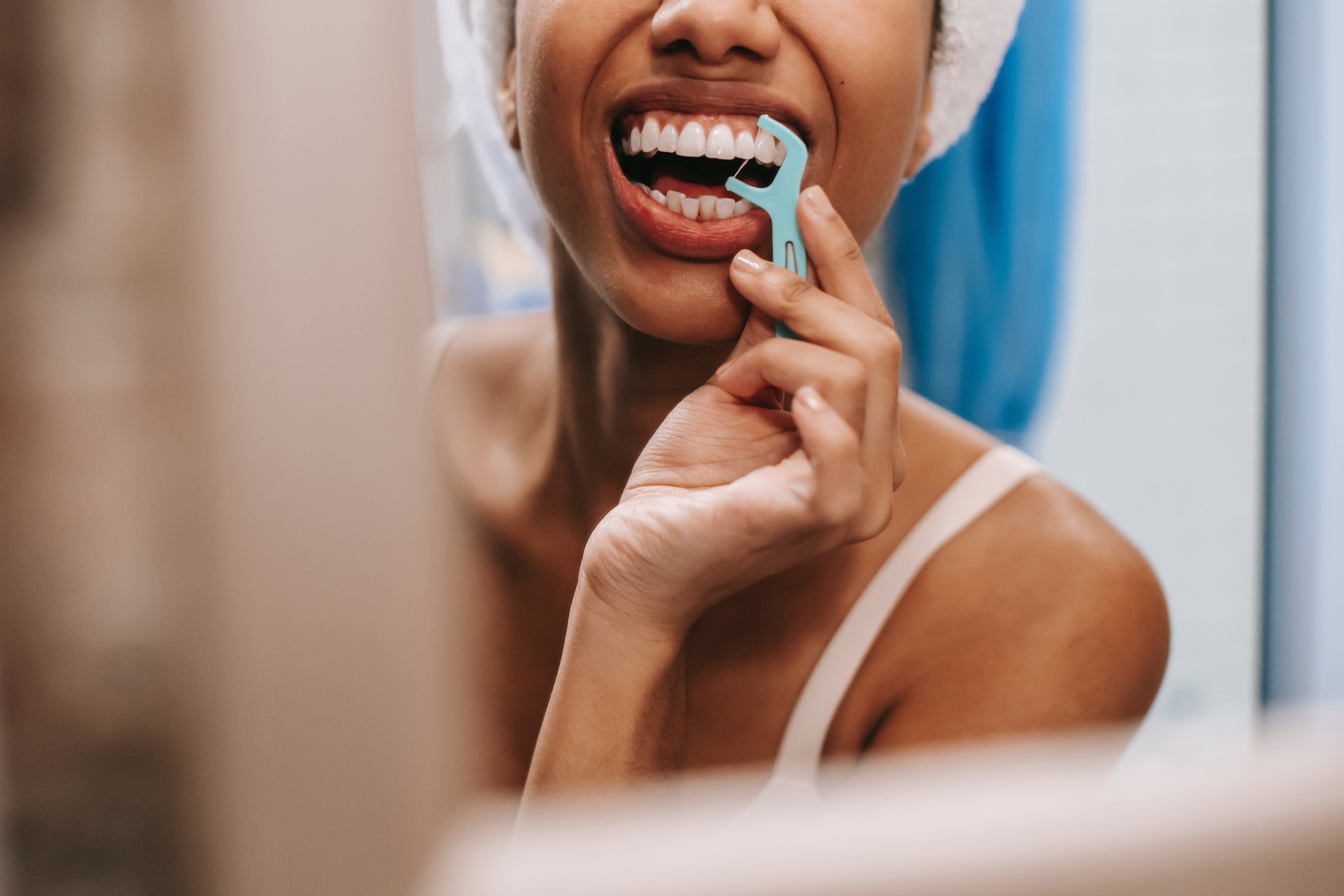
Brushing your teeth is a quick, easy way to maintain your oral health. Many people have a routine — brushing twice a day, at least three times a week, or once a day. Another important habit is flossing every time you brush. Some people also use mouthwash before brushing to remove any lingering bacteria or plaque. These are all good practices when it comes to brushing your teeth.
How to choose the right toothbrush for you
When it comes to choosing a toothbrush, it is worth doing some research. There are many different types on the market, so finding the best one for you can be a challenge. Here is a quick guide to make the decision easier:
- Electric toothbrushes have several advantages over manual ones. They are more powerful, effective and efficient at cleaning teeth and gums.
- The bristles on electric toothbrushes are usually made of nylon or silicone, which is softer than other bristles. That lets them be gentler on your teeth and gums while cleaning as well as a manual brush.
- Electric toothbrushes come with extra features, such as timers and Bluetooth connectivity, that let you keep track of your brushing habits.
What are the risks of not looking after your teeth?
Tooth decay, gum disease and periodontal disease are some of the most common dental health risks. That is why it is important to look after your teeth consistently and keep brushing.
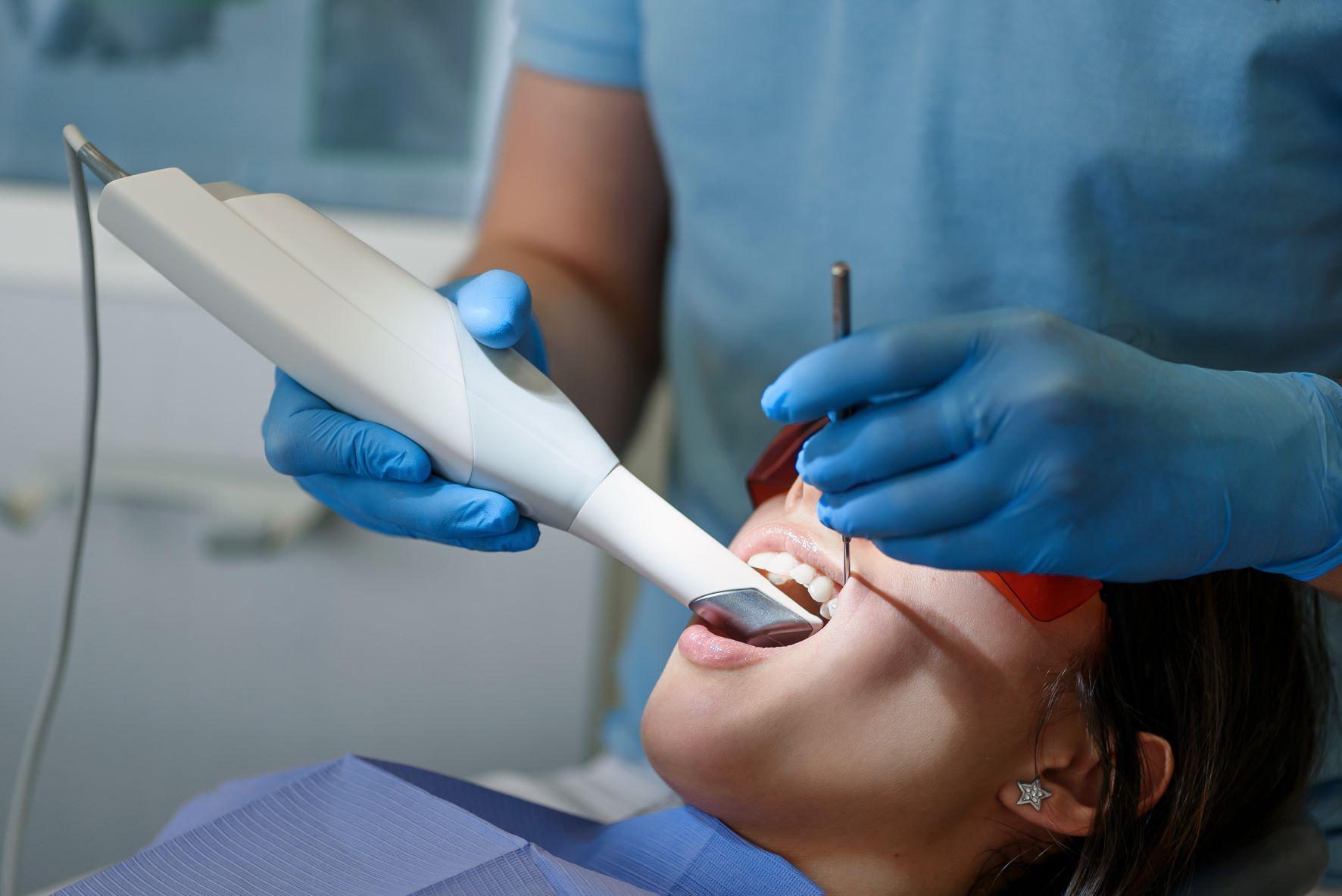
Neglecting your teeth can lead to a range of health problems like the ones above. If you want to avoid them, brush regularly and see your dentist for a deep clean.